
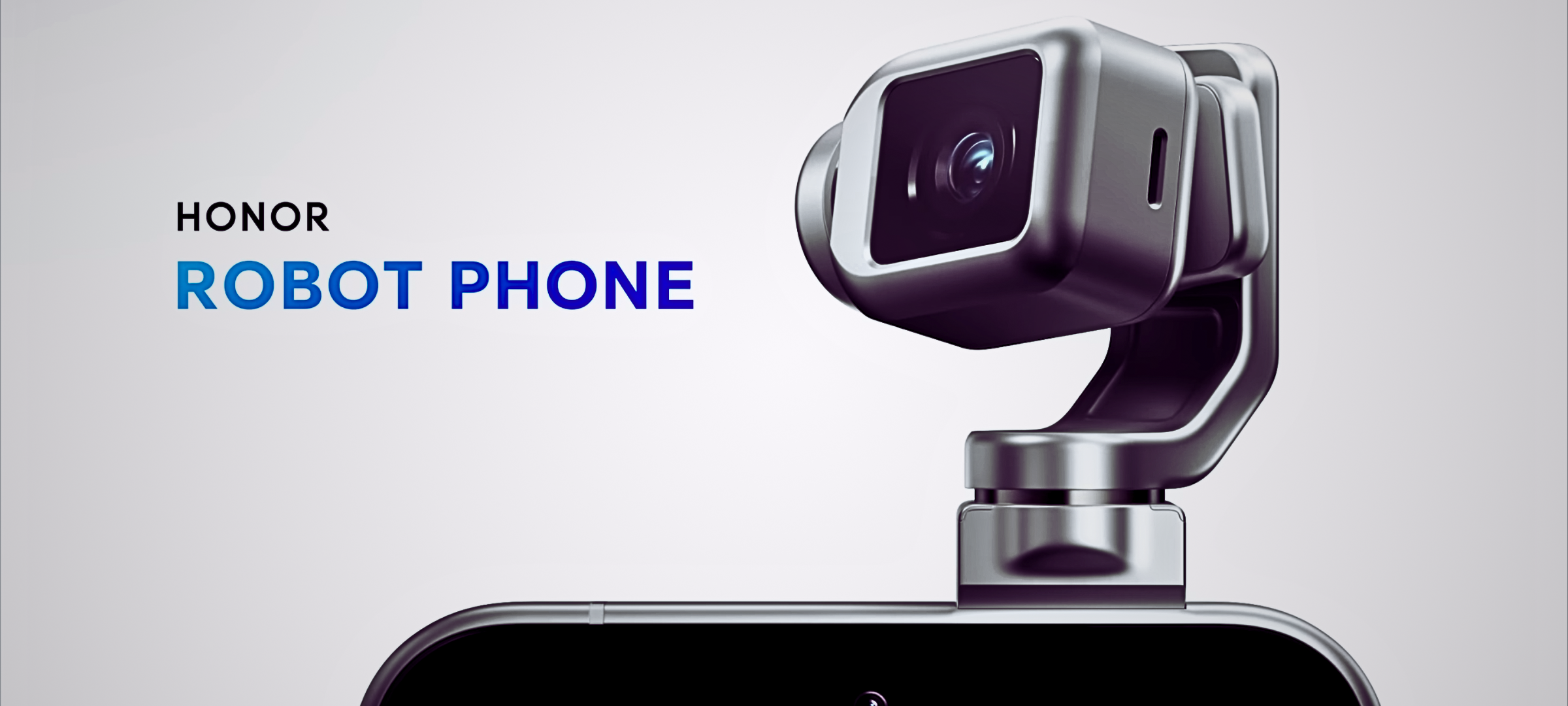
Honor just showed off a wild concept phone with a built-in gimbal camera. We break down what this “Honor robot phone” means for your videos and whether it’s genius or just a gimmick.
Remember that one perfect moment you tried to record on your phone, only to watch it later and feel seasick from all the shaking? Yeah, me too. It’s the reason I still carry a tiny tripod in my bag. But Honor’s latest teaser has me wondering if that tripod might finally retire. They’re showing off a concept phone—people are calling it the “Honor robot phone”—with a physical gimbal built right into the camera. This isn’t just another incremental update; it feels like someone finally looked at our shaky videos and decided to fix the problem with hardware, not just software.
I’ve been around long enough to see a lot of “revolutionary” phone features come and go. Some stick, like night mode. Others, not so much. But this? A gimbal inside a phone? That’s the kind of weird, ambitious engineering I can get behind.
So, What on Earth is This Honor Robot Phone?
Let’s cut through the tech jargon. Most phones try to stabilize your videos by either slightly moving the lens (that’s OIS) or digitally cropping the video and smoothing it out (that’s EIS). It’s like putting a band-aid on a wobbly table.
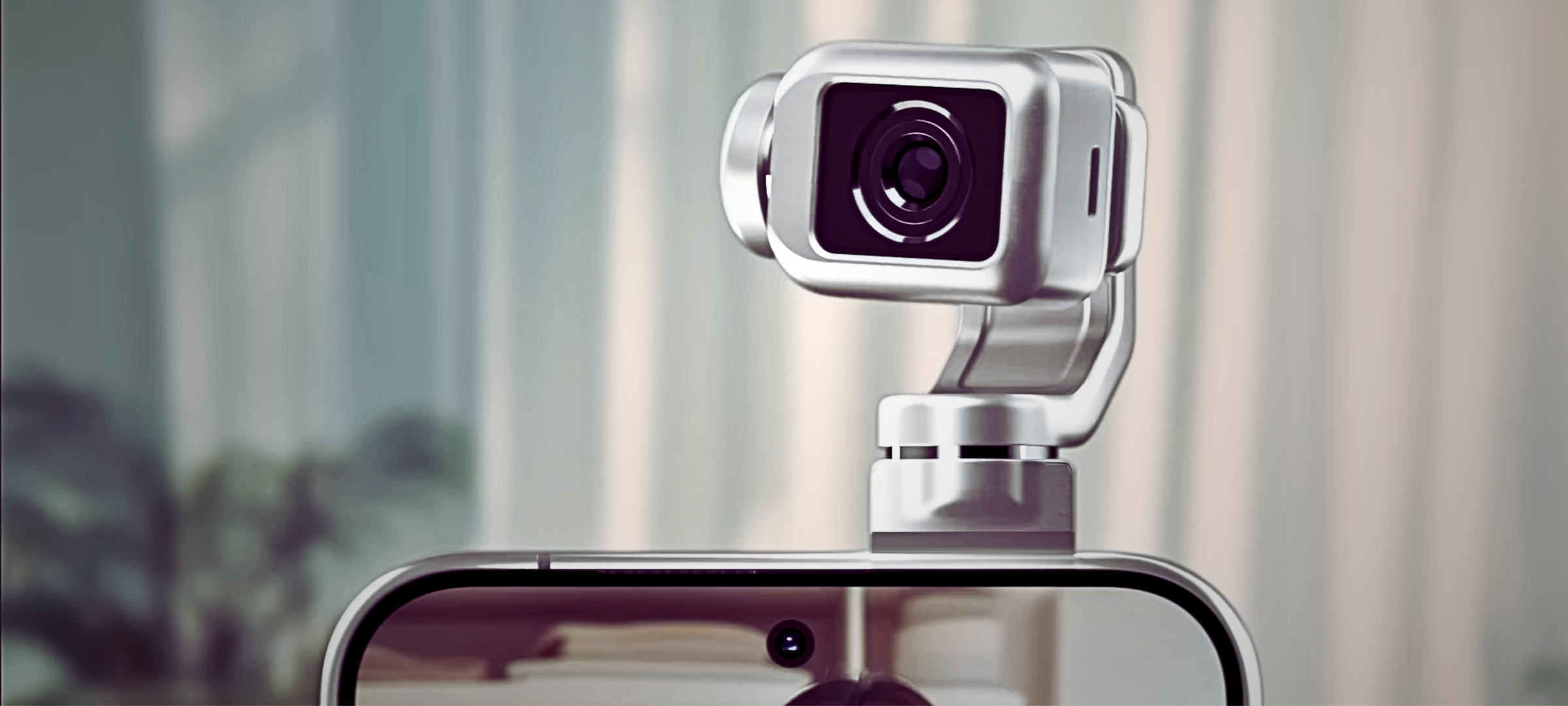
The Honor concept phone takes a different, frankly more hardcore, approach. It uses a tiny mechanical gimbal that holds and moves the entire camera sensor. Think of those smooth, cinematic shots you see in movies, where the camera glides effortlessly. That’s what a gimbal does. Honor is trying to shrink that technology down and stick it inside a device that fits in your jeans pocket. It’s a bold move, and from the teaser, it looks like they’ve actually made it work in a prototype.
Why This Actually Matters for Your Videos and Photos?
Alright, so it’s cool tech. But why should you care? Well, if you’ve ever tried to film your kid’s school play or take a clear photo in a dimly lit restaurant, you know the struggle is real.
Here’s the thing: software stabilization can only do so much. When the light drops, your phone’s camera needs more time to capture an image, and any little shake during that time turns into a blurry mess. A physical gimbal can hold the sensor completely still, allowing for sharper low-light shots without a flash. For video, it means you could theoretically walk down the street and get footage that looks like it was shot on a dolly track. For anyone who makes content for YouTube, TikTok, or just wants better family videos, this is a pretty big deal. It could make those bulky, expensive external gimbals feel unnecessary.
The Catch: What Could Go Wrong?
Now, let’s not get carried away. This is a concept, and concepts often hit real-world snags. I see a few potential headaches.
First is battery life. Those little gimbal motors need power to run. Is Honor’s engineering team so good that they’ve made it sip power instead of guzzling it? We don’t know yet.
Then there’s durability. My current phone has survived more than a few drops. But a phone with tiny, precise moving parts inside? That makes me a little nervous. How will it handle being tossed on a couch or, let’s be honest, dropped on pavement?
And of course, there’s the price. Pushing the envelope on hardware isn’t cheap. If this phone ever goes on sale, I’d expect it to carry a pretty premium price tag, at least at first.
Is This the Future, or Just a Flashy Sideshow?
It’s easy to be cynical about concept devices. Remember the folding phone concepts from a decade ago? We all thought they were sci-fi, and now they’re in stores. This gimbal idea has that same feel.
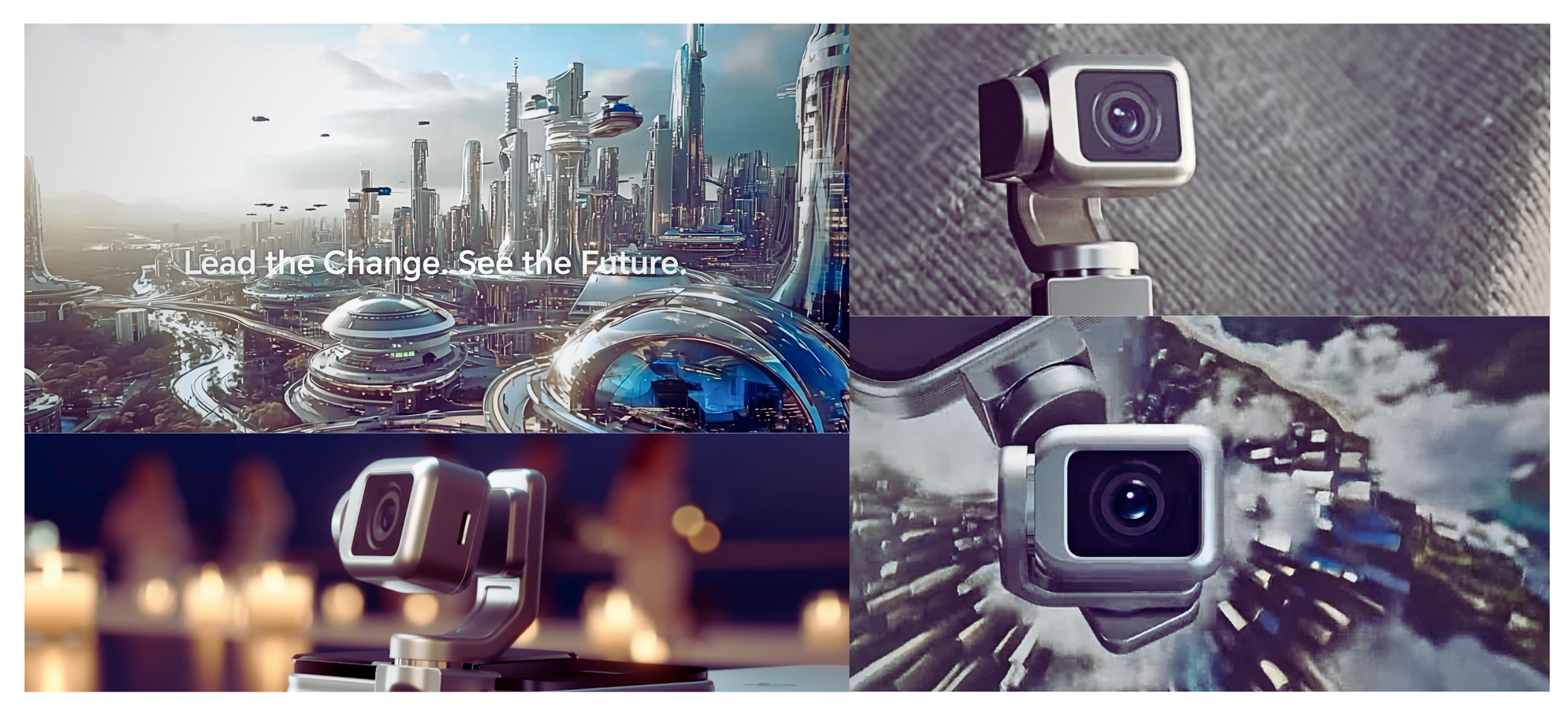
If Honor can actually pull this off—and that’s a big “if”—it could push other phone makers to stop focusing purely on software and AI tricks and get back to innovative hardware. For years, we’ve been told that computational photography is the future. The Honor robot phone suggests that maybe the best future is a combination of smart software and brilliant hardware.
Final Thoughts
The Honor gimbal phone is the most interesting piece of mobile tech I’ve seen in a while. It’s not just adding another camera lens or boosting the megapixel count. It’s trying to solve a genuine problem in a way that feels both obvious and brilliant. I really hope this makes it out of the concept stage and into our hands.
What about you? Does a built-in gimbal sound like a must-have feature, or is it solving a problem you don’t really have?
Questions You Might Have (FAQs)
1. What is the Honor robot phone?
It’s a prototype device from Honor that has a small, physical gimbal mechanism built directly into its camera system, designed to make videos incredibly smooth and low-light photos much sharper.
2. How is this better than the stabilization on my current iPhone or Samsung?
Your phone uses software or minor lens adjustments. This uses hardware to physically stabilize the entire camera sensor, which is a more effective way to counteract shakes and movement, especially when you’re walking or filming in low light.
3. Has any other company tried this?
Yes, Vivo put a gimbal in a phone a few years ago. It worked well for stabilization but made the phone a bit thicker. Honor’s version seems to be a more refined take on the same idea.
4. When can I buy this Honor concept phone?
There’s no release date yet. It’s still just a concept, so it might never be sold in stores. Companies often show these off to gauge public interest.
5. Won’t a gimbal make the phone really expensive?
Probably, at least at first. New and complex technology always adds to the cost. If it becomes popular, the price would likely come down over time.