
Sudan mass burials, El-Fasher satellite images, RSF attacks Sudan, Sudan humanitarian crisis, Darfur conflict, Sudan war news, Sudan latest news
🌍 Introduction: What Satellite Images Reveal
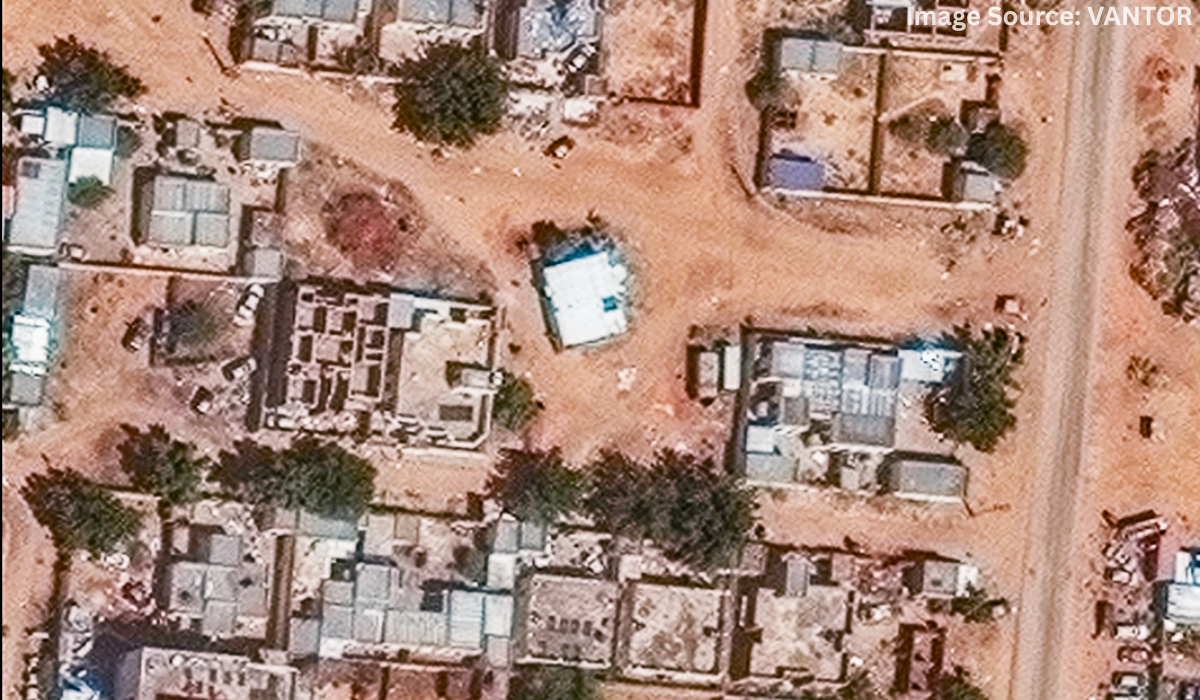
Satellite Images Suggest Evidence of Mass Burials Ongoing in Sudan’s El-Fasher — this disturbing revelation highlights the devastating human cost of Sudan’s ongoing conflict. According to new analysis by the Yale School of Public Health’s Humanitarian Research Lab, recent satellite imagery from Vantor (formerly Maxar Technologies) shows signs of large-scale graves being dug and later covered in the city of El-Fasher, located in Sudan’s Darfur region.
These findings have sparked widespread concern across the international community, as they potentially reveal another grim chapter in Sudan’s two-year civil war.
📸 Satellite Evidence and Analysis
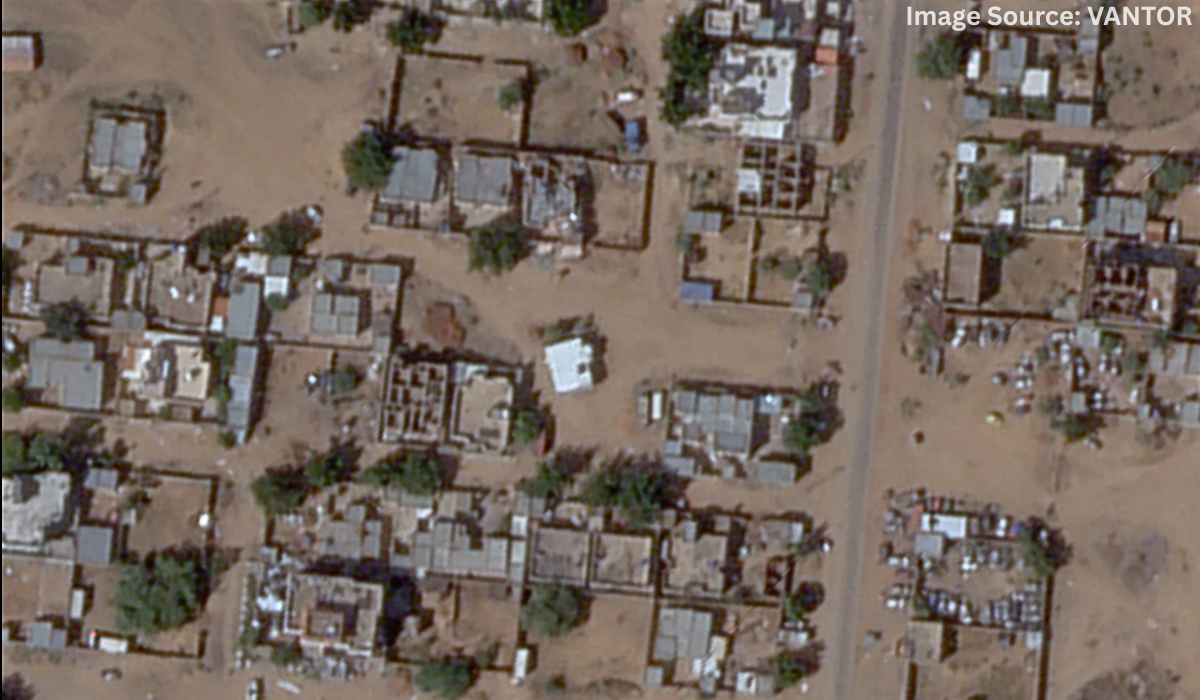
The satellite images were captured by Vantor, an imaging firm based in Colorado, and later examined by Yale’s humanitarian researchers. The photos show disturbed soil and large burial sites near two key locations — one close to the Saudi Hospital and another near a former children’s hospital allegedly used by the Rapid Support Forces (RSF) as a detention facility.
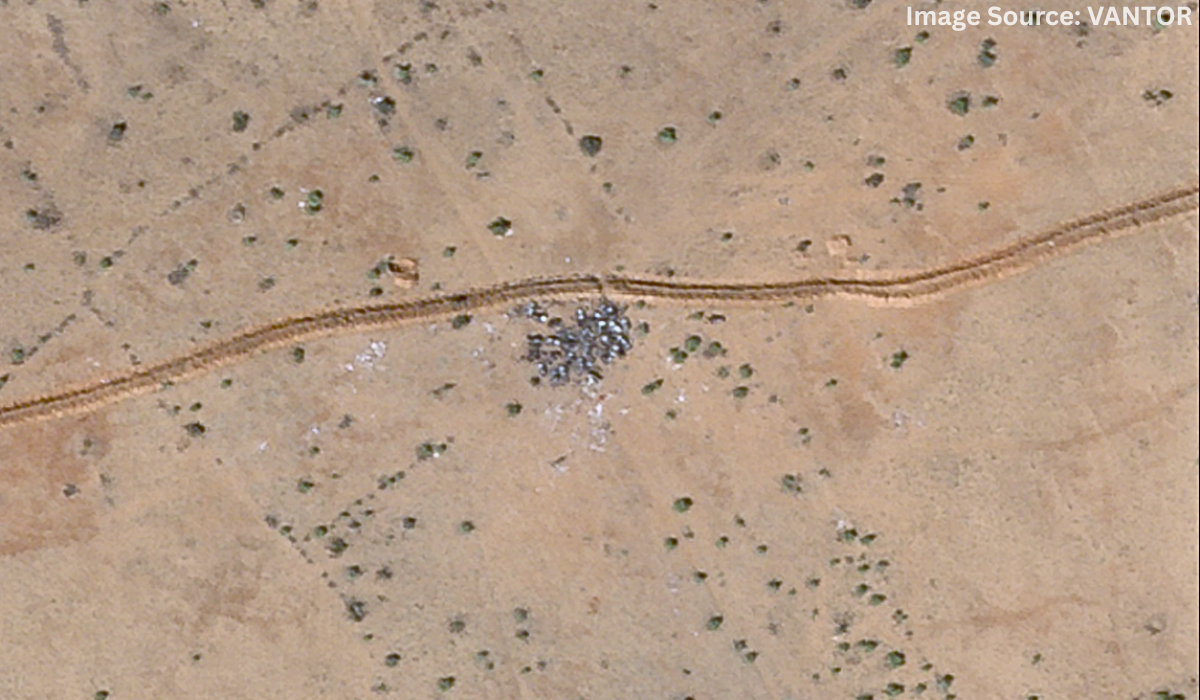
The Associated Press (AP) independently verified these details, comparing images from Planet Labs PBC that showed newly dug earth consistent with burial activity. Analysts note that based on the grave dimensions, it’s impossible to estimate the total number of bodies, as victims are often buried in layers.
🔗 Resource: https://humanitarian.yale.edu/
💥 Violence in El-Fasher: A Humanitarian Crisis
The RSF, a paramilitary group locked in a brutal war with Sudan’s national army since April 2023, reportedly seized control of El-Fasher — unleashing a wave of violence. Local witnesses described horrific scenes, with many residents caught in crossfire or executed.
Among those killed was Dr. Adam Ibrahim Ismail, a respected local physician, whose death the Sudan Doctors’ Network labeled a “heinous crime” targeting humanitarian workers.
U.N. Secretary-General António Guterres has urged for immediate accountability and called for an international probe into the atrocities. However, experts fear that as bodies are buried and evidence destroyed, documenting these crimes could become nearly impossible.
🛰️ Drone Strikes and Widespread Attacks
Adding to the horror, a drone strike on a funeral gathering in El-Obeid, North Kordofan, killed at least 40 people earlier this week. While no group officially claimed responsibility, local media and the U.N. Office for the Coordination of Humanitarian Affairs (OCHA) suspect RSF involvement, as the group has increasingly deployed drones in its offensives.
📉 The Scale of Sudan’s Humanitarian Collapse
Since April 2023, Sudan’s civil war has claimed over 40,000 lives, displaced 14 million people, and pushed several regions into famine, according to the United Nations. The World Food Programme (WFP) reported that some families go days without eating, with rising cases of malnutrition and disease outbreaks.
🔗Source:https://www.ohchr.org/
⚠️ Why Satellite Evidence Matters
The use of satellite imagery in human rights investigations is not new — it was previously employed in Myanmar’s Rohingya crisis and Ukraine’s war zones to document mass atrocities.
In Sudan’s case, it offers one of the few reliable tools to monitor abuses in areas where journalists and investigators have no access due to security threats and government restrictions.
🇸🇩 The World Reacts: Calls for Justice
The international community, including the European Union, African Union, and United States, has condemned the violence and demanded humanitarian access. Yet, ceasefire negotiations have repeatedly failed as both sides continue to pursue military victory.
Human rights groups are urging the International Criminal Court (ICC) to open an investigation into war crimes in Darfur, echoing the horrific events of the early 2000s when hundreds of thousands were killed in ethnic violence.
🧠 Expert Opinion: Is Peace Possible?
Analysts argue that Sudan’s path to peace depends on halting foreign interference, enforcing sanctions on warlords, and ensuring humanitarian corridors remain open. Without international intervention, experts fear the conflict could escalate into full-scale genocide.
📚 FAQs
Q1: What do the satellite images from El-Fasher show?
They reveal evidence of large-scale graves and soil disturbance, indicating possible mass burials after RSF attacks.
Q2: Who is responsible for the violence in El-Fasher?
Reports point to the Rapid Support Forces (RSF), a paramilitary group engaged in conflict with Sudan’s army since 2023.
Q3: How many people have died in Sudan’s war?
According to the U.N., more than 40,000 people have been killed, but humanitarian agencies say the real number may be much higher.
Q4: How are aid organizations responding?
The U.N. and World Food Programme are pushing for humanitarian corridors, food delivery, and global attention to the famine crisis.
🧩 Conclusion
The discovery that Satellite Images Suggest Evidence of Mass Burials Ongoing in Sudan’s El-Fasher underscores the immense human suffering unfolding in Sudan.
As new graves emerge and atrocities continue, the world faces a moral test: to act swiftly, preserve evidence, and ensure justice for the countless victims buried in silence.
This tragic episode reinforces the importance of transparency, accountability, and the power of technology to uncover truth — even from space.